Recipes and processes
The recipe and production steps, with versions and planned losses.
- Multi-level recipes (intermediates)
- Recipe versions with start dates
- Planned process losses
- Units of measure: kg, l, pcs
Makers of wine and beverages, dairy, bakery, canned food, chemicals or cosmetics work with recipes and batches, using raw materials that expire. Business Central links purchasing, production, the warehouse, sales and finance, so you know which raw materials went into every batch, who received it and what it cost.
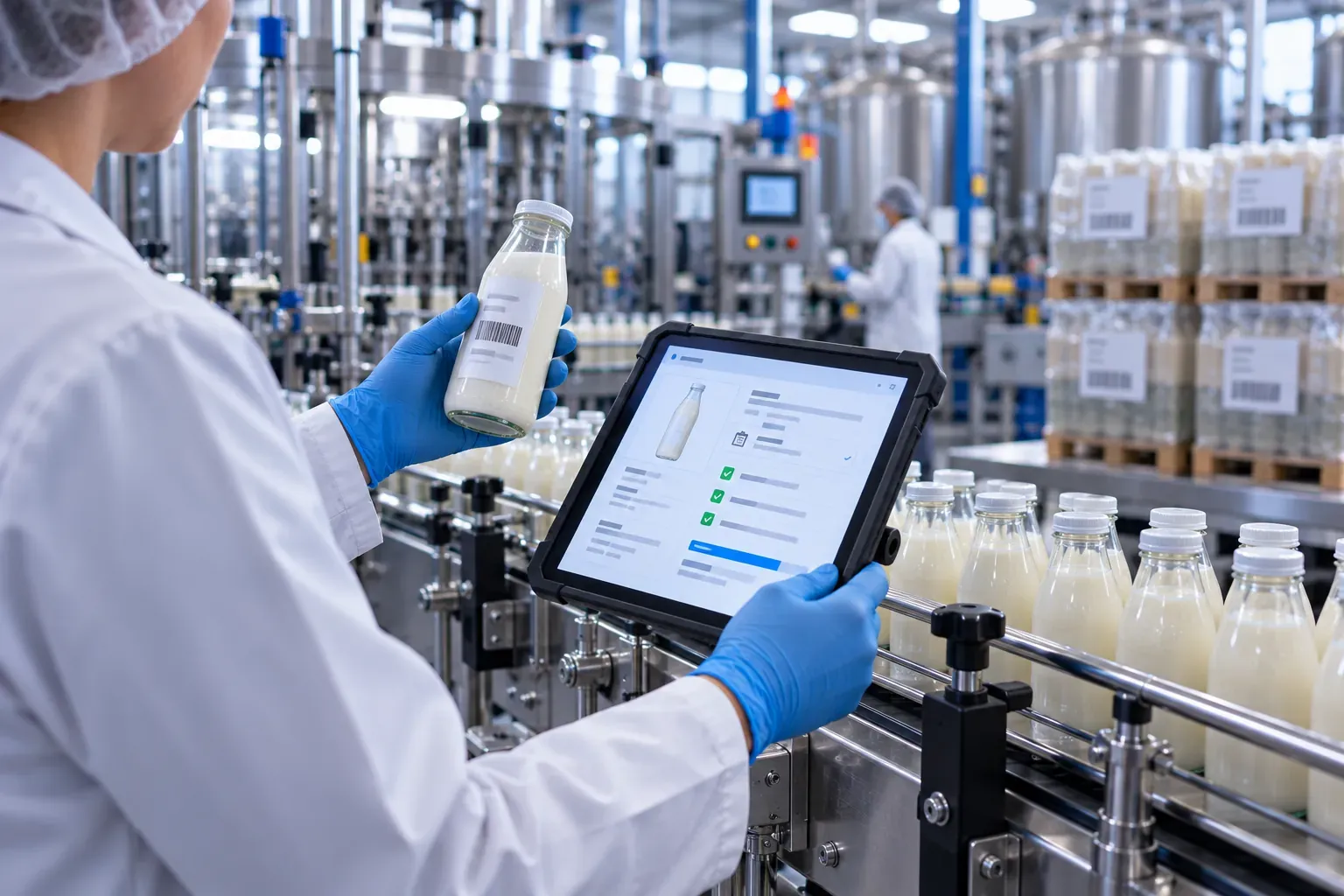
Raw materials arrive in lots with different expiry dates, the recipe is adjusted to their quality, and part of the input is lost in the process. If lots are recorded on paper, a product recall means days of searching. A shared record shows in a few clicks where every ingredient came from and where every batch went.
Common situations in food, beverages, chemicals and cosmetics.
Standard Business Central manufacturing features; they are part of the Premium licence. Co-products, potency-based calculation, batch quality control and other specific requirements are analysed separately.
The recipe and production steps, with versions and planned losses.
Every raw material and finished product has its own lot and expiry date.
From the supplier's lot to the customer who received the product, and back.
What every batch cost and where the margin was lost.
Results depend on your processes and data quality. Here is what becomes possible.
See at once which raw materials went into a batch and who received it.
Expiry dates are visible in stock, and picking starts with the lot that expires first.
Compare yield and consumption with the recipe and see where margin is lost.
We support you from the first estimate to life after go-live.
An indicative budget in a few minutes, based on your answers.
Learn moreClear stages, verified data and go-live on the agreed date.
Learn moreEvery employee learns the tasks of their role.
Learn moreHelp after go-live and further development of the system.
Learn moreEnter a few company parameters and instantly receive a preliminary project estimate.