Bills of materials and routings
What a product is made of and which operations it goes through.
- Multi-level bills of materials
- Routings and work centres
- Versions for product changes
- Planned scrap
Makers of furniture, metal structures, equipment, packaging or PVC windows work with bills of materials, machine operations and delivery dates promised to customers. Business Central links sales, purchasing, production orders, the warehouse and finance, so you know what needs to be bought, what is being made today and what each product actually cost.
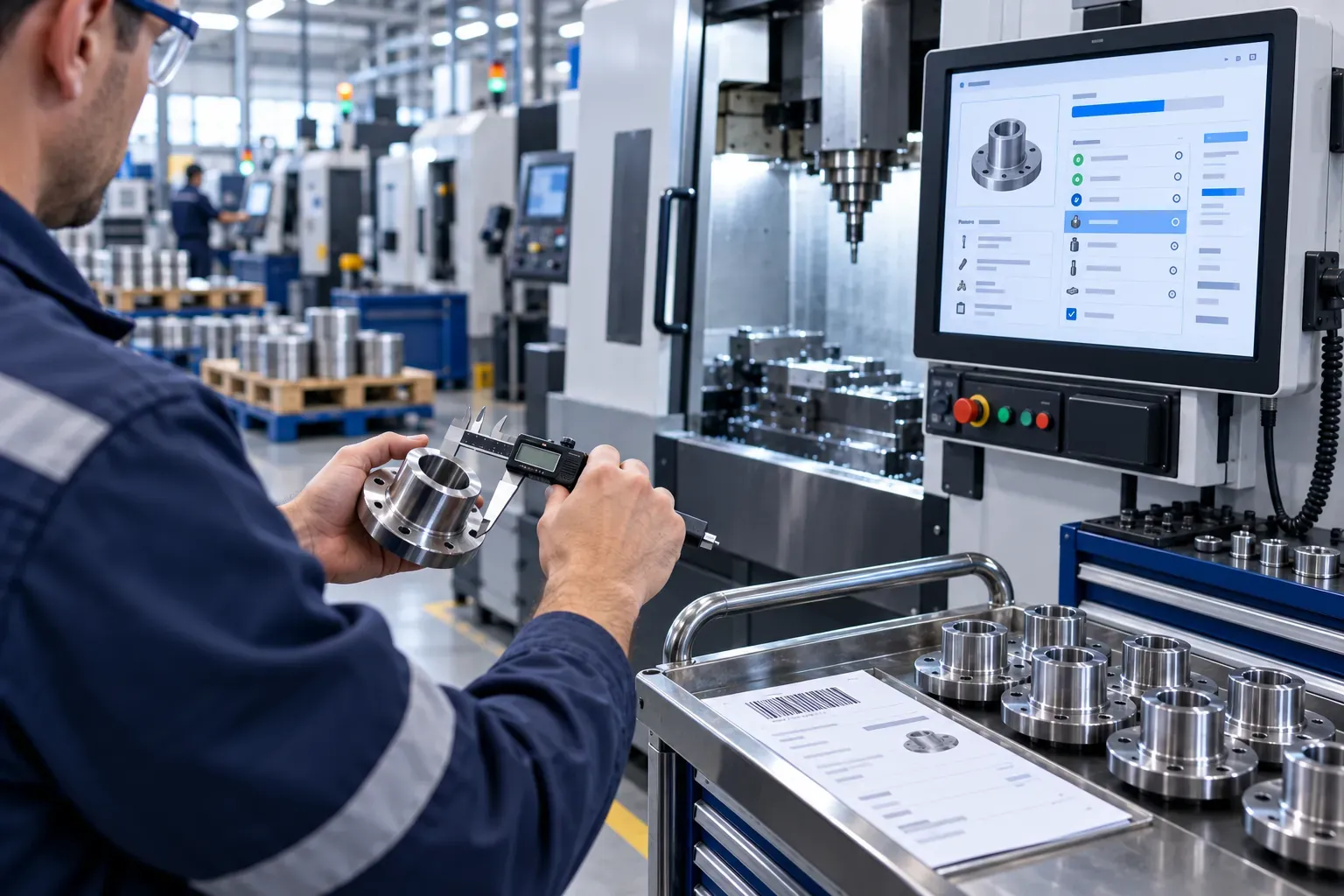
An order is accepted at one price, materials are bought at another, and the shop floor uses more than the standard. When bills of materials live in Excel and actual consumption is collected at the end of the month, the cost of each product remains an estimate. A shared record shows every day what was consumed, what was produced and what it cost.
Common situations at plants that make to order or to stock.
Standard Business Central manufacturing features; they are part of the Premium licence. Quality control, machine data collection and other specific requirements are analysed separately.
What a product is made of and which operations it goes through.
What needs to be made and bought to meet the dates.
The shop floor sees what to do, and the office sees what has been done.
Planned and actual cost of every order, with the variances explained.
Results depend on your processes and data quality. Here is what becomes possible.
Requirements are calculated from orders and stock, not from memory.
The customer's date takes materials and shop floor capacity into account.
See where consumption and time exceed the standard.
We support you from the first estimate to life after go-live.
An indicative budget in a few minutes, based on your answers.
Learn moreClear stages, verified data and go-live on the agreed date.
Learn moreEvery employee learns the tasks of their role.
Learn moreHelp after go-live and further development of the system.
Learn moreEnter a few company parameters and instantly receive a preliminary project estimate.